

Most people assume they only have to pay taxes when they receive money. Whether it’s a paycheck, business income, rental profits, or investment returns, it seems natural to expect that taxes are owed only after cash has been received. However, tax laws don’t always work this way.
In some cases, individuals and businesses can be legally required to pay taxes on income they never actually received in cash—a situation commonly known as a “phantom tax.” It occurs when taxable income is recognized under tax law even though no corresponding cash payment has been made to the taxpayer.
This often happens with pass-through entities such as partnerships, limited liability companies (LLCs), and S corporations, where profits are allocated to owners but retained within the business rather than distributed.
| Topic | Key Information |
| What Is Phantom Tax? | Tax owed on income that is taxable by law, even though no cash was actually received. |
| What Is Phantom Income? | Taxable income allocated to a taxpayer without a corresponding cash payment. |
| Common Causes | Partnership profits, LLC and S corporation allocations, canceled debt, stock compensation, trust income, and real estate investments. |
| How It Works | Income is recognized for tax purposes; no cash is distributed, but taxes must still be paid. |
| Who Is Affected? | Business partners, LLC members, S corporation shareholders, real estate investors, trust beneficiaries, and startup founders. |
| Main Risk | Unexpected tax bills and cash-flow problems due to taxes on non-cash income. |
| Real-Life Example | A partner is allocated £22,731.60in profit but receives only £3,788.60 in cash and must still pay taxes on the full £22,731.60 |
| Benefits of Understanding It | Better financial planning, improved cash management, fewer tax surprises, and smarter investment decisions. |
| How to Reduce Its Impact | Review investment agreements, maintain cash reserves, estimate taxes, monitor tax documents, and consult a qualified tax professional. |
| Bottom Line | systems and requires careful planning because taxable income does not always translate to cash in hand. |
What Is Phantom Tax?

Phantom tax is the tax liability that arises from phantom income—income that is considered taxable by law even though the taxpayer does not actually receive cash. In other words, a person or business may be required to report income on a tax return and pay taxes on it despite having little or no money available from that transaction.
This situation commonly occurs with pass-through entities such as partnerships, LLCs, and S corporations, where profits are allocated to owners but retained within the business rather than distributed. Phantom can also result from canceled debt, certain employee stock compensation plans, trust income allocations, and some real estate investments.
Understanding Phantom Income
This type of income may result from:
- Partnership allocations
- Debt forgiveness
- Stock compensation
- Reinvested earnings
- Certain retirement accounts
- Real estate partnerships
- Business ownership structures
- Trust distributions
- Corporate reorganizations
Why Does Phantom Tax Exist?
Phantom tax exists because many tax systems are designed to tax economic gains or benefits, not just cash that is physically received. In certain situations, the law considers an individual to have earned taxable income even if no money has been paid out.
For example, profits from partnerships, LLCs, or S corporations are often passed through to the owners for tax purposes, regardless of whether those profits are distributed. Similarly, canceled debt may be treated as income because the borrower has been relieved of a financial obligation, effectively increasing their net wealth.
How Phantom Tax Works

The process usually follows these steps:
- Income is generated.
- Tax rules classify it as taxable.
- No cash is distributed.
- The taxpayer reports the income.
- Taxes must still be paid.
The biggest challenge is that the taxpayer must often use personal savings to cover the tax bill.
Simple Example of Phantom Tax
Imagine you own 20% of a business partnership.
The partnership earns:
- Profit: £3,788.60
Your allocated share:
- £75,771.90
Instead of distributing profits, the partnership reinvests all earnings into expanding the business.
Common Situations That Create Phantom Tax
Partnership Income
Partnerships often allocate profits according to ownership percentages.
Even if profits stay inside the business, each partner may owe taxes on their allocated share.
Example:
- Partnership earns £757,719
- You own 10%
- You receive no cash
- You still report £75,771.90 of taxable income
Limited Liability Companies (LLCs)
Many limited liability companies (LLCs) are taxed as pass-through entities, meaning the business itself generally does not pay federal income tax. Instead, the company’s profits and losses are passed directly to its members, who report their share on their personal tax returns.
Corporations
Corporations are another type of pass-through business entity that can generate phantom income. Instead of paying corporate income tax, an S corporation passes its profits, losses, deductions, and credits directly to its shareholders, who report these amounts on their individual tax returns.
Real Estate Investments

Real estate partnerships frequently create phantom income through:
- Mortgage restructuring
- Debt reduction
- Property refinancing
- Partnership allocations
Investors may owe taxes even without receiving rental income.
Real-Life Example
Sarah invests in a commercial real estate partnership.
- Investment: £113,658
- Partnership profit allocation: £3,788.60
- Cash distributed: £3,788.60
Sarah must report the full £3,788.60 as income.
Why Phantom Tax Can Be a Problem
Phantom tax can create significant financial challenges because taxpayers may be required to pay income tax on earnings they never actually receive in cash. Unlike regular taxable income, which usually comes with money to pay the tax bill, phantom income often leaves individuals responsible for taxes without the funds needed to cover them.
This can lead to cash-flow problems, forcing taxpayers to use personal savings, borrow money, or even sell investments to meet their tax obligations. Phantom can also reduce the overall return on investments, particularly in partnerships, LLCs, S corporations, and real estate ventures where profits are retained rather than distributed.
Advantages of Understanding Phantom Tax

- Better financial planning
- Improved cash management
- Fewer tax surprises
- Smarter investment decisions
- Better communication with tax professionals
- More informed business ownership decisions
Who Is Most Likely to Face Phantom Tax?
Phantom tax most commonly affects individuals and businesses involved in investment or ownership structures where taxable income is allocated without corresponding cash distributions. Business partners, members of limited liability companies (LLCs), and shareholders of S corporations are among those most likely to encounter them.
because profits are often passed through to their personal tax returns even if the business retains the earnings. Real estate investors, particularly those participating in partnerships or syndicated property investments, may also face phantom income when income is allocated but not distributed.
Tips for Managing Phantom Tax

- Review tax documents every year.
- Estimate taxes before making investments.
- Ask investment managers about distribution policies.
- Set aside money for future tax obligations.
- Understand partnership and shareholder agreements.
- Work with a qualified accountant or tax advisor.
- Keep detailed financial records.
Conclusion
Phantom tax is one of the most misunderstood concepts in taxation because it requires individuals and businesses to pay taxes on income they may never actually receive in cash. Although this may seem unfair at first, these tax rules are designed to recognize certain economic benefits.
such as allocated business profits, forgiven debt, and other taxable events, even when no money changes hands. As a result, investors, business owners, shareholders, and members of pass-through entities can face unexpected tax liabilities that place significant pressure on their cash flow.
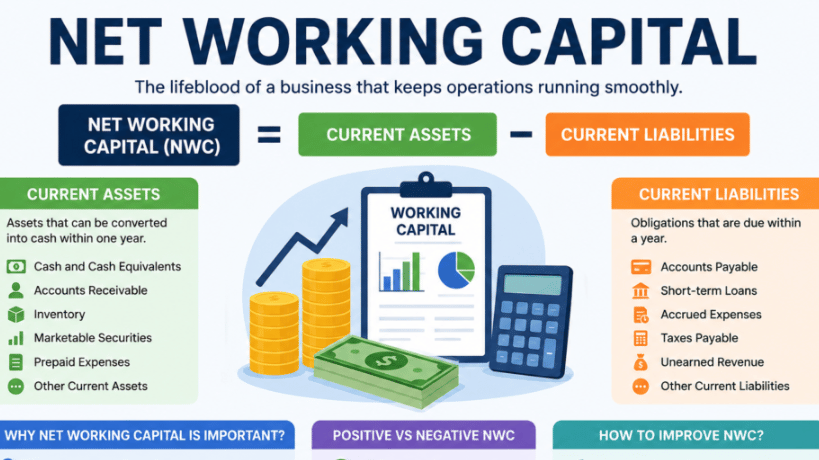
Want to know about Net Working Capital: The Ultimate Guide to Formula, Calculation, Current Assets, Current Liabilities, Examples, Importance Check out our Real Estate category.
FAQs
“Phantom” is an informal term used to describe the tax owed on phantom income—income that is taxable even though no cash was received.
Certain tax rules treat allocated profits, forgiven debt, or other economic benefits as taxable income, even if no cash changes hands.
However, proper tax planning, understanding investment structures, maintaining cash reserves, and seeking professional advice can help reduce its impact.
Some types of forgiven debt may qualify for exclusions or exceptions under tax law, depending on the circumstances and the jurisdiction.
Business partners, LLC members, S corporation shareholders, real estate investors, trust beneficiaries, and individuals receiving certain forms of equity compensation are among those most likely to encounter phantom stock.