

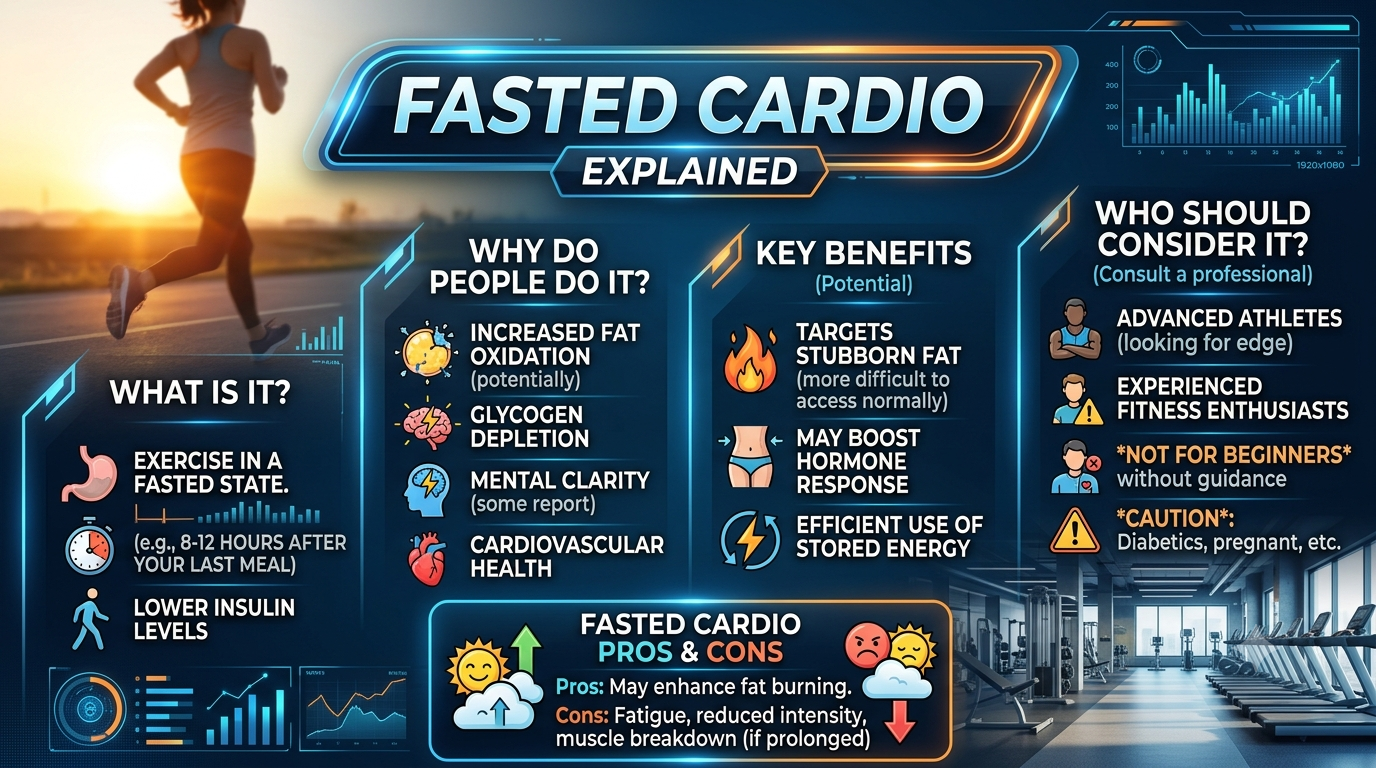
In recent years, fasted cardio has become a popular fitness strategy among people aiming to lose weight and improve fat-burning efficiency. It involves performing cardiovascular exercise on an empty stomach, typically in the morning before eating breakfast. Supporters believe it helps the body use stored fat as fuel more effectively.
However, understanding how fasted cardio works, its benefits, and its limitations is essential before adding it to your routine. This guide explains everything you need to know in a simple, practical way so you can decide whether this approach fits your fitness goals.
| Category | Details | Key Points |
| How It Works | Exercise performed on an empty stomach after 8–12 hours of fasting | Low insulin levels may increase fat usage; the body relies more on stored energy |
| Weight Loss Benefits | Supports fat oxidation during low to moderate exercise | May help burn fat during workouts, improve metabolic flexibility, and support calorie control |
| Best Types of Exercise | Light to moderate cardio activities | Walking, jogging, cycling, treadmill, steady-state cardio |
| Safety Tips | Guidelines to avoid fatigue or dizziness | Stay hydrated, start slow, avoid high intensity, listen to your body, and consider light snacks if needed. |
| Duration Recommendation | Ideal session length for most people | 20–45 minutes depending on fitness level |
| Common Mistakes | Errors that reduce effectiveness or cause discomfort | Overtraining, skipping hydration, doing high-intensity workouts too soon, and relying |
| Who Should Avoid It | People for whom it may not be suitable | People with diabetes, individuals with low blood pressure, pregnant women, and people who feel weak without food |
| Best Practices | Habits to maximize results | Combine with a healthy diet, strength training, consistency, proper sleep, and gradual progression. |
What Is Fasted Cardio?
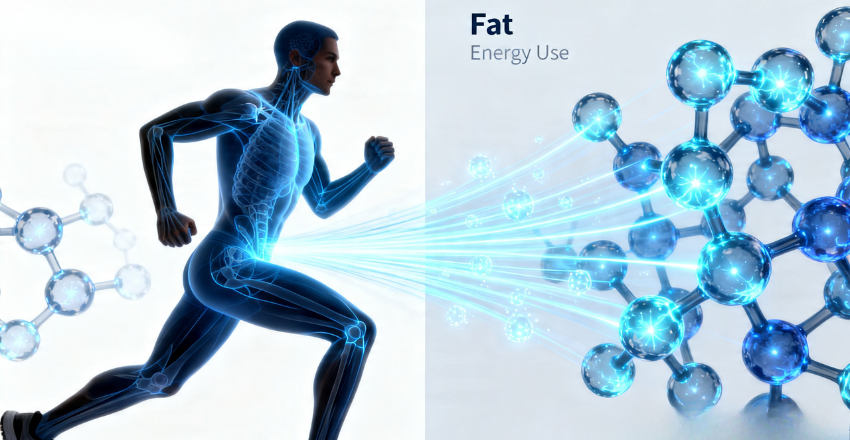
Fasted cardio is aerobic exercise performed without consuming any calories beforehand. Most people perform it after an overnight fast of 8–12 hours.
Common examples include:
- Morning walking or jogging before breakfast
- Light cycling on an empty stomach
- Low to moderate-intensity treadmill sessions
During this state, insulin levels are low, and glycogen stores may be partially depleted. This metabolic condition is what makes fasted cardio different from regular workouts done after eating.
How Fasted Cardio Works for Fat Loss?

When you exercise without eating, your body has limited immediate energy from food. As a result, it may rely more on stored fat for fuel. This is the core principle behind fasted cardio.
Here’s what happens inside your body:
1. Lower insulin levels
Insulin is a hormone that helps regulate blood sugar levels. When insulin is low, fat breakdown becomes easier.
2. Increased fat oxidation
The body may increase fat utilization during moderate exercise, especially at steady-state intensity.
3. Glycogen conservation
Since carbohydrate stores are lower, the body may try to preserve glycogen and rely more on fat reserves. However, it’s important to note that overall fat loss still depends on total calorie balance, not just workout timing.
Benefits of Fasted Cardio for Weight Loss and Health

Many fitness enthusiasts use fasted cardio for its potential advantages. While results vary from person to person, some reported benefits include:
- May enhance fat utilization during low-intensity exercise
- Can support calorie control by promoting a structured morning routine
- May improve metabolic flexibility over time
- Convenient for people who prefer early workouts
- Can help reduce bloating or discomfort during exercise
Some studies suggest that while cardio increases fat burning during exercise, total daily fat loss may be similar to fed workouts. This means consistency and diet still play the biggest role in results.
Safety Tips for Fasted Cardio

Although fasted cardio is generally safe for healthy individuals, it should be performed correctly to avoid adverse effects such as fatigue or dizziness. It is important to follow key safety guidelines, such as starting with low- to moderate-intensity workouts, staying hydrated before and during exercise, and avoiding long or extremely intense sessions on an empty stomach.
You should also listen to your body and stop immediately if you feel weak or lightheaded. If you are planning a longer workout, consider having a small snack beforehand to maintain energy levels. For beginners, it is best to start with short 20–30-minute sessions and gradually increase the duration as the body adapts to this type of training.
Common Mistakes in Fasted Cardio Workouts

Many beginners make mistakes that reduce results or cause discomfort. Avoid these errors:
- Doing high-intensity workouts too early without energy
- Skipping hydration before exercise
- Overestimating fat loss and ignoring diet quality
- Training too long without proper fuel
- Using fasted cardio as the only weight loss strategy
One of the biggest misconceptions is that it automatically leads to faster fat loss. In reality, consistency, sleep, and nutrition are equally important.
Fasted vs Fed Cardio Comparison
| Factor | Fasted Cardio | Fed Cardio |
| Energy levels | Moderate to low | Higher |
| Fat usage during workout | May be slightly higher | Moderate |
| Performance intensity | Lower for most people | Higher potential |
| Risk of fatigue | Higher if not adapted | Lower |
| Best for | Light fat-burning sessions | Strength + high-intensity training |
Who Should Avoid Fasted Cardio
While cardio works well for some, it is not suitable for everyone.
You should avoid or limit it if you:
- Have diabetes or blood sugar issues
- Feel dizzy or weak when exercising without food
- Are focused on high-performance training or muscle gain
- Are you pregnant or recovering from an illness
- Struggle with low blood pressure
In such cases, a small pre-workout snack can provide better energy and safety.
Practical Tips to Maximize Results

To get the most out of fasted cardio, consider these strategies:
- Keep workouts consistent but not excessive
- Combine cardio with strength training for better body composition
- Maintain a calorie-controlled, nutrient-rich diet
- Prioritize sleep and recovery
- Track progress beyond just scale weight (measurements, energy levels, endurance)
These habits ensure that your fitness results are sustainable rather than short-term.
Conclusion
Fasted cardio can be a useful tool for individuals looking to improve fat burning and simplify their workout routine. However, it is not a magic solution for weight loss. Its effectiveness depends on consistency, proper nutrition, and overall lifestyle habits.
When done correctly, cardio may support your fitness goals, especially if combined with balanced training and healthy eating. The key is to listen to your body, avoid overtraining, and focus on long-term sustainability rather than quick fixes.
Want to know about 10 Best Sunscreens for Oily Skin and Acne-Prone Faces: Lightweight, Matte-Finish SPF Formulas for Daily Sun Protection Check out our Health category.
FAQs
Not necessarily. It may increase fat burning during the workout, but overall weight loss depends mainly on total calorie intake, diet quality, and consistency in exercise.
For most people, 20 to 45 minutes is ideal. Beginners should start with shorter sessions and gradually increase duration based on comfort and energy levels.
Yes, drinking water is highly recommended. Staying hydrated helps maintain energy levels and prevents dizziness or fatigue.
Muscle loss is unlikely if you maintain adequate protein intake and a healthy diet. However, excessive training without fuel may increase the risk.