

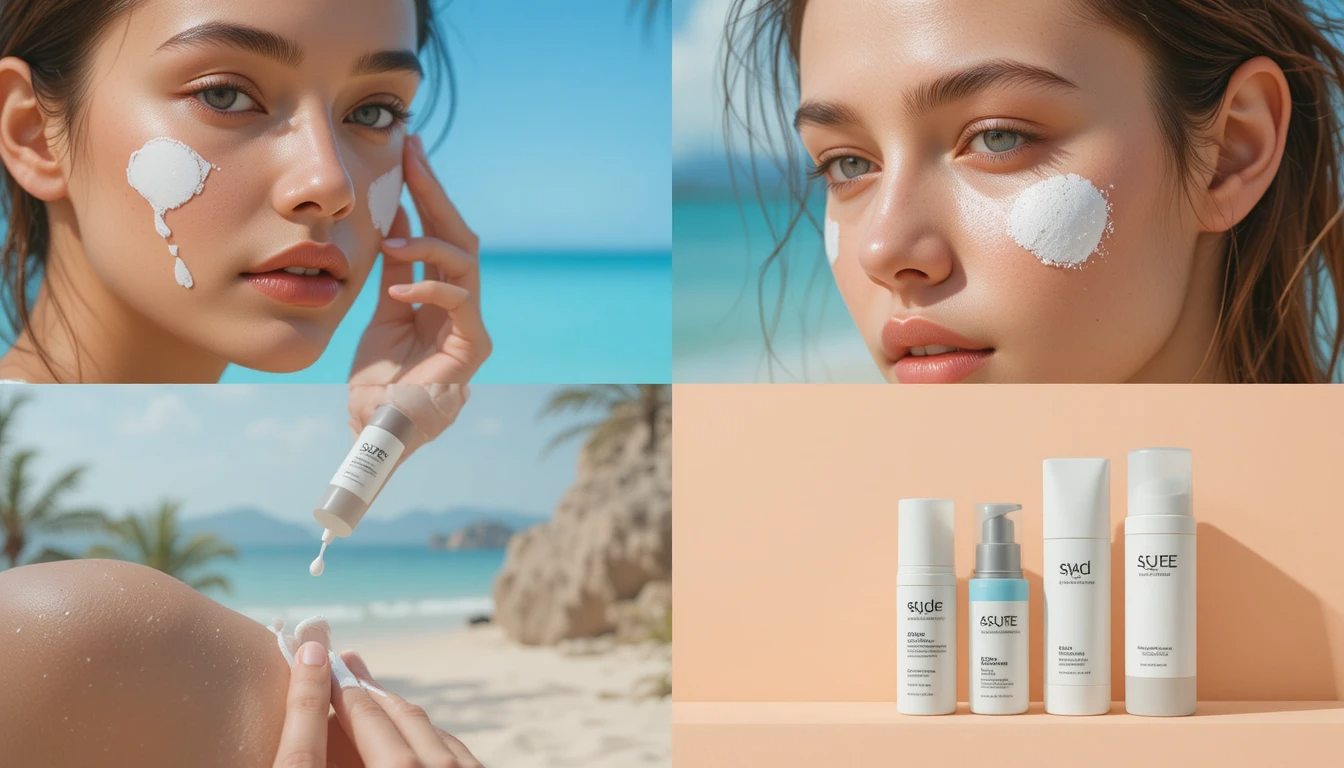
Finding the right sunscreen can be challenging, especially for people with oily and acne-prone skin. Heavy or greasy formulas often clog pores, trigger breakouts, and leave the face with an unwanted shine. That is why choosing the best sunscreens for oily skin is essential for maintaining healthy, protected, and balanced skin every day.
A good sunscreen should not only protect against harmful UVA and UVB rays but also feel lightweight, absorb quickly, and leave a matte finish. With so many products available, it becomes difficult to identify which ones truly work for oily, acne-prone skin. This guide will help you explore the top options and understand what makes them effective.
| Rank | Sunscreen Type | Best For | Texture |
| 1 | Gel-Based Sunscreen | Oily Skin | Lightweight gel |
| 2 | Matte-Finish Sunscreen | Shine Control | Dry-touch lotion |
| 3 | Water-Based Sunscreen | Sensitive Oily Skin | Watery fluid |
| 4 | Mineral Sunscreen | Acne-Prone Skin | Soft cream |
| 5 | Chemical Sunscreen (Oil-Free) | Daily Use | Smooth lotion |
| 6 | SPF Moisturizer Combo | Busy Routine | Cream blend |
| 7 | Fragrance-Free Sunscreen | Sensitive Skin | Neutral cream |
| 8 | Ultra-Light Fluid Sunscreen | Hot Climate | Liquid fluid |
| 9 | Acne-Control Sunscreen | Breakout-Prone Skin | Lightweight gel-cream |
| 10 | Sweat-Resistant Sunscreen | Outdoor Activity | Long-wear formula |
Why Sunscreen Is Important for Oily and Acne-Prone Skin

Many people with oily skin skip sunscreen, fearing it will make their skin greasier. However, this is a major skincare mistake. Sun exposure can worsen acne scars, increase oil production, and cause long-term skin damage.
Using the best sunscreen for oily skin daily helps to:
- Protect against harmful UV rays
- Prevent dark spots and acne scars
- Reduce premature aging signs
- Maintain skin barrier health
- Control excessive oil buildup when using the right formula
Modern sunscreen formulations are now designed specifically for oily and acne-prone skin, offering lightweight protection without clogging pores.
Key Features to Look for in Sunscreen for Oily Skin
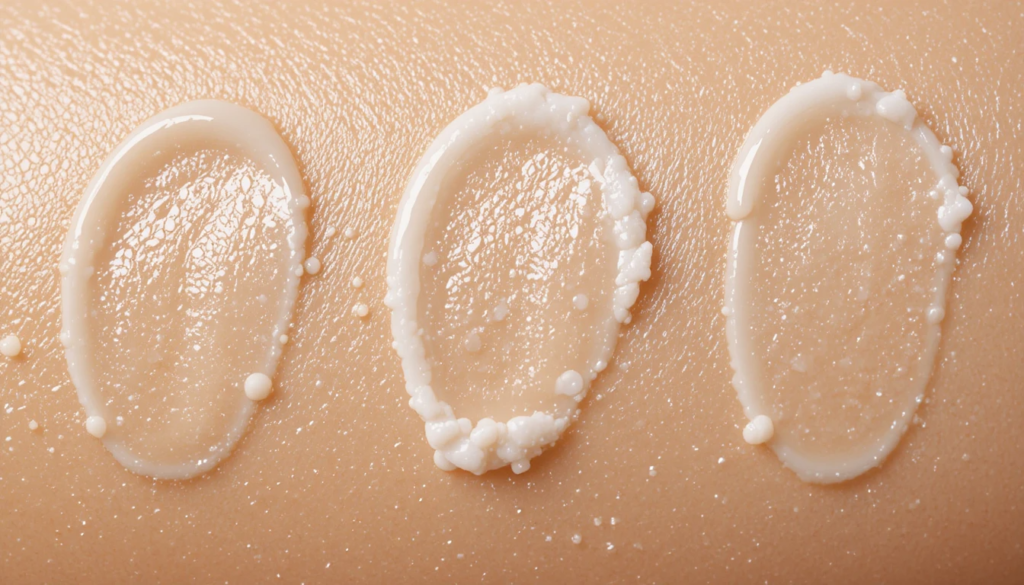
Choosing the right sunscreen involves more than just SPF numbers. You should focus on texture, ingredients, and finish.
1. Oil-Free Formula
Oil-free sunscreens help reduce shine and prevent clogged pores.
2. Non-Comedogenic Ingredients
These products are designed not to block pores, reducing the risk of acne breakouts.
3. Matte Finish
A matte finish helps control excess shine throughout the day.
4. Lightweight Texture
Gel-based or water-based sunscreens are ideal for oily skin types.
5. SPF 30 or Higher
Dermatologists recommend SPF 30 or higher for daily protection.
10 Best Sunscreens for Oily Skin and Acne-Prone Faces?

Below is a carefully curated selection of sunscreens that work well for oily, acne-prone skin.
1. Gel-Based Sunscreen
Lightweight and fast-absorbing, ideal for everyday use without greasiness.
2. Matte Finish Sunscreen
Controls shine and keeps the skin looking fresh for long hours.
3. Water-Based Sunscreen
Provides hydration without adding oil to the skin.
4. Mineral Sunscreen (Zinc-Based)
Gentle on sensitive and acne-prone skin while offering strong protection.
5. Oil-Free Chemical Sunscreen
Absorbs quickly and leaves no heavy residue.
6. SPF Moisturizer Combo
Combines hydration and sun protection in one step.
7. Fragrance-Free Sunscreen
Reduces the risk of irritation for sensitive and acne-prone skin.
8. Ultra-Light Fluid Sunscreen
Feels like water on the skin and is perfect for hot climates.
9. Acne-Control Sunscreen
Formulated with ingredients that help reduce breakouts while protecting skin.
10. Sweat-Resistant Sunscreen
Ideal for outdoor activities and humid environments.
Comparison Table of Sunscreen Types
| Type | Best For | Texture | Key Benefit |
| Gel Sunscreen | Oily Skin | Lightweight gel | Fast absorption |
| Matte Sunscreen | Shiny Skin | Dry-touch | Oil control |
| Water-Based Sunscreen | Sensitive Oily Skin | Watery texture | Hydration without grease |
| Mineral Sunscreen | Acne-Prone Skin | Cream/soft finish | Gentle protection |
| Chemical Sunscreen | Normal-Oily Skin | Smooth lotion | Strong UV protection |
| SPF Moisturizer | Daily Use | Cream blend | Dual function |
| Fragrance-Free | Sensitive Skin | Neutral texture | Low irritation risk |
| Fluid Sunscreen | Hot Weather | Ultra-light liquid | Cooling effect |
| Acne-Control Sunscreen | Breakout-Prone Skin | Lightweight cream | Skin calming |
| Sweat-Resistant | Outdoor Use | Long-wear formula | Durable protection |
How to Apply Sunscreen Correctly?

Even the best sunscreen for oily skin will not work effectively if not applied properly. Correct application is essential for full protection.
Step-by-Step Guide
- Cleanse your face thoroughly
- Apply a lightweight moisturizer (if needed)
- Use sunscreen generously on face and neck
- Apply at least 15–20 minutes before sun exposure
- Reapply every 2–3 hours if outdoors
Common Mistakes to Avoid
- Using too little sunscreen
- Skipping reapplication
- Applying only on sunny days
- Mixing sunscreen with makeup instead of layering it
Benefits of Using Lightweight Sunscreen Daily
Consistent use of a good sunscreen provides long-term skin benefits, especially for oily skin types.
1. Prevents Acne Scars from Darkening
Sun exposure can make acne marks more visible over time.
2. Controls Excess Oil
Modern formulas help balance sebum production.
3. Prevents Sunburn and Irritation
Protects the skin barrier from UV damage.
4. Improves Skin Texture
Regular use helps maintain smoother and healthier skin.
Expert Tips for Oily Skin Sun Protection
To get the most out of your sunscreen routine, follow a few expert recommendations. Always choose non-comedogenic formulas to avoid clogged pores and reduce the risk of breakouts. Prefer gel or fluid textures instead of heavy creams, as they feel lighter on the skin and absorb more easily, especially for oily skin types.
Make it a habit to use sunscreen even on cloudy days, since UV rays can still damage the skin without direct sunlight. It is also helpful to combine sunscreen with oil-free skincare products to maintain a balanced and shine-free complexion.
Lastly, reapply sunscreen after sweating or washing your face to ensure continuous protection throughout the day. Following these practices can significantly improve the effectiveness of your sunscreen routine and help keep breakouts under control.
Who Should Use These Sunscreens?
The best sunscreen for oily skin is suitable for:
- Teenagers with acne-prone skin
- Adults with oily or combination skin
- People living in hot and humid climates
- Individuals prone to breakouts or clogged pores
- Anyone looking for a lightweight daily SPF solution
Conclusion
Choosing the right sunscreen is essential for maintaining healthy, protected, and balanced skin. The best sunscreen for oily skin should be lightweight, non-greasy, and effective in controlling shine while offering strong UV protection.
By selecting gel-based, matte-finish, or oil-free formulas, you can enjoy daily sun protection without worrying about clogged pores or breakouts. Consistent use not only prevents sun damage but also improves overall skin texture and clarity.
A proper sunscreen routine is one of the most important steps in skincare, especially for oily and acne-prone skin types. Making the right choice today will ensure healthier and clearer skin in the long run.
Want to know about 12 Best Body Lotion Options for Dry, Sensitive, and Normal Skin: Expert Picks for Deep Hydration and Long-Lasting Moisture Check out our Health category.
Frequently Asked Questions
The best sunscreen for oily skin is usually a lightweight, oil-free, and non-comedogenic formula. Gel-based or matte-finish sunscreens are ideal because they absorb quickly and do not leave a greasy residue.
Yes, oily skin should use sunscreen every day. UV rays can still damage the skin, increase oil production, and worsen acne marks, even on cloudy days or indoors.
Dermatologists generally recommend SPF 30 or higher for oily and acne-prone skin. SPF 50 is even better for extended outdoor exposure.
Not if you choose the right formula. Oil-free, gel-based, and matte-finish sunscreens are designed specifically to control shine and keep the skin fresh.