


The birth of a foal is one of the most remarkable moments in the equine world, and one of the first features that captures attention is its extraordinary hooves. Newborn horse hooves, unlike the hard, durable hooves of adult horses, are soft, rubbery, and covered with a soft, rubbery covering called the eponychium, commonly known as “fairy slippers.”
These temporary structures are a remarkable natural adaptation that protects the mare during birth while allowing the foal’s hooves to continue developing safely after delivery. Although fairy slippers disappear within just a few hours of birth, they represent the beginning of a lifelong process of hoof growth and development.
| Topic | Key Information |
| What Are Newborn Horse Hooves? | Newborn foals are born with soft protective hoof coverings called the “eponychium” or “fairy slippers.” |
| Purpose of Fairy Slippers | Protect the mare during birth, cushion the foal’s first steps, prevent injuries, and support healthy hoof development. |
| Appearance | Soft, white or cream-colored, flexible, moist, sponge-like, and made of keratin. |
| How Soon Foals Stand | Most foals attempt to stand within 15–30 minutes and stand successfully within 30–90 minutes after birth. |
| Hoof Anatomy | Includes the hoof wall, sole, frog, heel bulbs, and digital cushion, all of which support movement and growth. |
| Development Before Birth | Hooves begin forming during pregnancy, with the eponychium developing shortly before birth to protect the mare. |
| First Week Changes | Fairy slippers wear away, the hoof wall hardens, the sole thickens, and the hoof begins taking its permanent shape. |
| First Hoof Trim | Usually recommended between 4–6 weeks of age, depending on hoof growth, balance, and limb alignment. |
| Healthy Hoof Signs | Smooth hoof wall, even shape, strong frog, no swelling, normal weight-bearing, and symmetrical growth. |
| When to Call a Veterinarian | If the foal has difficulty standing, severe lameness, bleeding, deep hoof cracks, swollen joints, fever, or abnormal limb positioning. |
| Hoof Growth Rate | Foal hooves grow approximately 6–10 mm (¼–⅜ inch) per month. |
| Key Takeaway | Proper nutrition, regular exercise, clean housing, routine farrier care, and early veterinary attention are essential for healthy lifelong hoof development. |
Newborn Horse Hooves, A Remarkable Start to Life
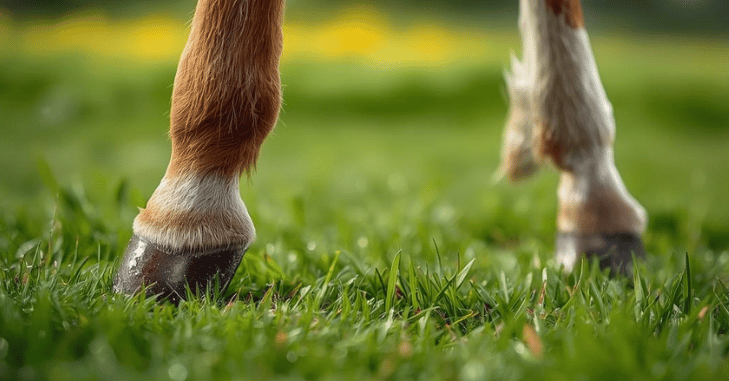
Newborn horse hooves, One of the most fascinating features of a newborn foal is its unique hooves. Unlike the hard, durable hooves of adult horses, a foal is born with soft, rubbery coverings known as the eponychium, often nicknamed “fairy slippers.”
These protective structures cover the hoof walls and soles during birth, preventing the foal’s sharp hooves from injuring the mare as it passes through the birth canal. Within a few hours after birth, the coverings begin to dry and wear away naturally as the foal stands, walks, and nurses.
As the weeks and months pass, the hooves gradually harden, grow stronger, and develop into the tough, weight-bearing structures essential for the horse’s lifelong health and mobility. Proper nutrition, regular exercise, routine hoof care, and early veterinary and farrier evaluations.
What Are Newborn Horse Hooves?
A newborn horse’s hooves are remarkably different from those of an adult horse. Before birth, each hoof is covered by a soft, white, rubber-like layer called the eponychium, commonly known as “fairy slippers.” These soft coverings consist of hundreds of flexible, finger-like projections that cushion the hoof.
Without them, the foal’s hard hoof wall could injure or tear the mare’s reproductive tract during delivery. Nature has evolved this remarkable adaptation to make foaling safer for both mother and baby.
What Are Fairy Slippers?
Characteristics
- Soft and flexible
- Cream-colored or white
- Moist at birth
- Sponge-like texture
- Cover the entire hoof surface
- Made of keratin similar to the hoof wall
Why Are Fairy Slippers Important?
The eponychium, commonly known as fairy slippers, is one of nature’s most remarkable adaptations for horses. These soft, rubber-like coverings serve several essential purposes that help ensure a safe birth and support a foal’s early development. Although they only remain for a few hours after birth, fairy slippers play a crucial role in protecting both the mare and the newborn foal.
Protect the Mare During Birth
The primary function of fairy slippers is to protect the mare during the foaling process. Even before birth, a foal’s hooves are fully formed and would normally have hard edges capable of causing injury.
Cushion the Foal’s First Steps
Once the foal is born, it typically attempts to stand within 30 to 90 minutes. During these first unsteady movements, the fairy slippers provide extra cushioning and traction, helping the foal gain balance on various surfaces.
How Do Newborn Foals Stand So Quickly?
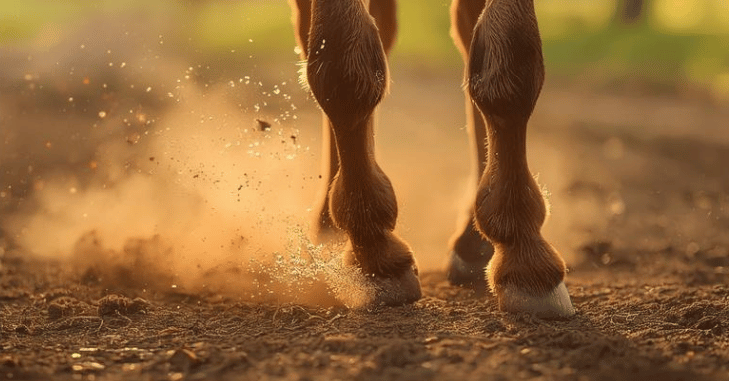
One of the most amazing facts about horses is how rapidly foals become mobile.
Typical timeline:
- Birth
- First attempts to stand: 15–30 minutes
- Standing successfully: 30–90 minutes
- Nursing: within 2 hours
- Walking confidently: within several hours
Anatomy of a Newborn Horse Hoof
Hoof Wall
- Protects the sensitive internal hoof tissues.
- Supports the foal’s body weight.
- Provides strength and durability as the hoof matures.
- Continues growing throughout the horse’s life.
Sole
- Protects the bottom of the hoof.
- Helps distribute weight evenly.
- Cushions the hoof against uneven ground.
- Gradually hardens with age and activity.
Frog
- Absorbs shock during movement.
- Promotes healthy blood circulation.
- Improves traction and grip.
- Assists in maintaining hoof balance.
Heel Bulbs
- Cushion the back of the hoof.
- Reduce stress on joints and tendons.
- Help absorb impact while walking.
- Support balance and stability.
How do hooves develop before birth?

A foal’s hooves begin developing long before it is born. During the early stages of pregnancy, specialized cells in the developing limbs start forming the basic structure of the hoof. As the fetus grows, these cells produce keratin, the strong protein that makes up the hoof wall, similar to the material found in human fingernails.
Throughout gestation, the hoof capsule gradually takes shape. In contrast, the bones, tendons, ligaments, and other internal hoof structures mature together to prepare the foal for standing and walking soon after birth. In the final weeks of pregnancy, the soft eponychium.
Changes During the First Week
The first week brings rapid changes.
Day 1
- Fairy slippers begin drying
- Foal walks frequently
- Hooves remain soft
Day 2–3
- Hoof wall begins hardening
- Sole becomes firmer
End of Week One
- Hoof shape becomes more defined
- Frog develops strength
- Natural wear begins
When Should a Foal Receive Its First Hoof Trim?
Not every newborn foal needs an immediate hoof trim, as many are born with naturally well-balanced hooves that develop normally during the first few weeks of life. However, most veterinarians and farriers recommend scheduling the foal’s first hoof examination and, if necessary, its first trim between 4 and 6 weeks of age.
At this stage, the hooves have grown enough for a farrier to assess whether any minor corrections are needed. Early trimming helps promote proper hoof balance, supports healthy limb development, and can prevent small conformational issues from becoming more serious as the foal grows.
Signs of Healthy Newborn Hooves
Healthy foal hooves typically show:
- Smooth hoof wall
- Even hoof shape
- No foul odor
- No swelling
- Normal weight-bearing
- Symmetrical growth
- Strong frog development
When to Call a Veterinarian?
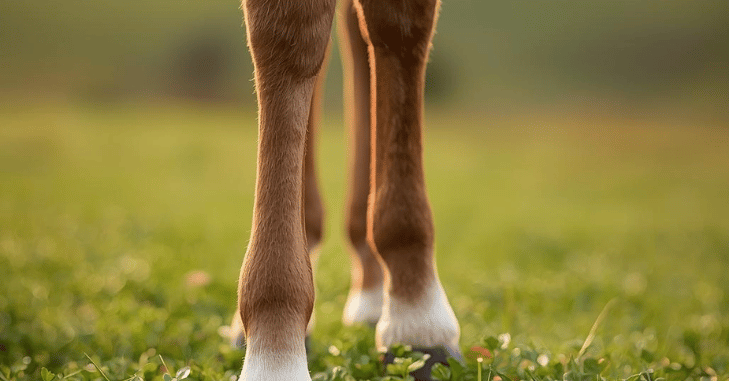
While most newborn foals are healthy and begin standing, walking, and nursing within a few hours of birth, certain hoof or limb problems require immediate veterinary attention. Early diagnosis and treatment can prevent minor issues from developing into long-term orthopedic or hoof problems that may affect the horse throughout its life.
Contact a veterinarian promptly if a newborn foal has difficulty standing for more than two hours after birth, severe lameness, swollen joints, bleeding around the hoof or coronary band, deep hoof cracks, or persistent abnormal limb positioning that does not improve.
Conclusion
Newborn horse hooves are an incredible example of nature’s thoughtful design. From the protective eponychium, or fairy slippers, that safeguard both mare and foal during birth to the rapid transformation into strong, functional hooves, every stage of hoof development plays a vital role in a horse’s future health.
Although these soft coverings disappear within hours, the care provided during the first weeks and months of life has a lasting impact on hoof strength, limb alignment, and overall soundness. By providing proper nutrition, maintaining a clean environment, and encouraging regular movement.
Want to know about Can Dogs Have Plums? The Complete Pet Owner’s Guide to Benefits, Risks, Toxic Parts, Safe Serving Sizes, Symptoms of Plum Pit Poisoning Check out our Pets category.
FAQs
They are covered by soft, rubbery fairy slippers that protect the mare during birth. The hoof itself also hardens over the first few days of life.
Yes. Healthy foals are normally born with these protective coverings.
No. They naturally dry out and wear away as the foal begins walking.
Many foals benefit from an initial farrier assessment between 4 and 6 weeks of age, although those with limb or hoof abnormalities may need earlier evaluation.
Foal hooves grow rapidly—about 6–10 mm (roughly ¼–⅜ inch) per month—though growth rates vary with genetics, nutrition, and overall health.