

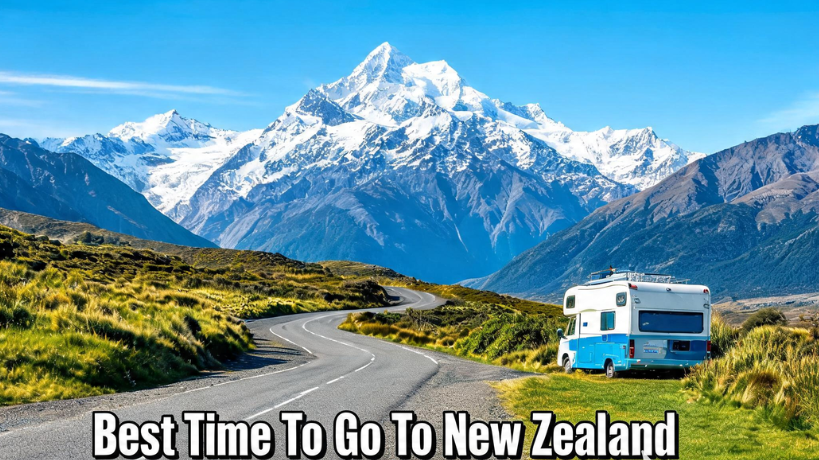
Choosing the best time to go to New Zealand can be an exciting yet overwhelming experience, especially when deciding when to go. This stunning destination is famous for its breathtaking landscapes, ranging from snow-capped mountains and crystal-clear lakes to lush green valleys and pristine beaches. Because New Zealand is in the Southern Hemisphere, its seasons are opposite those of many countries, making the timing of your visit even more important.
Whether you are seeking budget-friendly travel, thrilling adventures, relaxing beach escapes, or winter sports, each season offers something unique. Understanding the seasonal differences will help you choose the perfect time and make the most of your journey.
| Season | Months | Temperature | Best For | Highlights | Travel Cost | Crowd Level |
| Summer | December – February | 20°C – 30°C | Adventure & Beaches | Hiking, water sports, festivals, long daylight hours | High | Very High |
| Autumn | March – May | 10°C – 25°C | Budget & Scenic Beauty | Fall colors, wine tours, photography, peaceful travel | Moderate to Low | Low |
| Winter | June – August | 0°C – 15°C | Snow & Skiing | Ski resorts, snowboarding, alpine scenery | Moderate (high in ski areas) | Medium |
| Spring | September – November | 10°C – 20°C | Best Overall Balance | Blooming flowers, waterfalls, wildlife, scenic drives | Moderate | Low to Medium |
Best Time To Go To New Zealand
New Zealand is one of the most breathtaking travel destinations in the world, known for its dramatic mountains, crystal-clear lakes, lush greenery, and diverse outdoor experiences. Because it lies in the Southern Hemisphere, its seasons are the reverse of countries like Pakistan, meaning summer falls between December and February, while winter occurs from June to August.
Choosing the Best Time To Go To New Zealand depends largely on your travel goals, whether you are looking for budget-friendly options, thrilling adventures, relaxing beach holidays, or snow-filled winter sports. Each season offers unique experiences, and understanding these seasonal differences can help you plan a perfect trip.
New Zealand Summer (December – February): Top for Adventure & Beaches
Warm Weather and Ideal Conditions
Summer is the peak tourist season in New Zealand, attracting visitors from around the globe. The weather is warm and sunny, perfect for outdoor activities, with temperatures ranging from 20°C to 30°C. This pleasant climate makes it an excellent time to explore the country’s natural beauty.
Best Time for Beaches and Coastal Activities
This is the best time for beach lovers and adventure seekers, as coastal regions like the Bay of Islands and Abel Tasman National Park come to life. Travelers can enjoy swimming, kayaking, sailing, and sunbathing along pristine beaches.
Adventure Tourism at Its Peak
Adventure tourism is at its peak during summer, especially in Queenstown, which is often referred to as the adventure capital of the world. Activities like bungee jumping, skydiving, jet boating, and hiking are widely available, making it a hotspot for thrill-seekers.
Perfect Season for Hiking and National Parks
National parks and walking trails, including famous routes like the Milford Track, are fully accessible during summer and offer stunning scenic views. It is the ideal time for trekking and exploring nature.
Peak Season Crowds and Costs
However, since it is the busiest time of the year, accommodation and flight prices are at their highest. Tourist spots can be crowded, and early bookings are essential.
Why Summer Is Still the Most Popular
Despite the higher costs, summer remains the most popular time to visit New Zealand, thanks to its vibrant atmosphere, long daylight hours, and ideal weather for a wide range of activities.
Autumn in New Zealand (March – May): Best for Budget & Scenic Beauty

- Autumn is one of the most underrated yet beautiful times to visit New Zealand, offering a peaceful and visually stunning travel experience.
- As summer crowds begin to fade, the country transforms into a canvas of golden, orange, and red hues, especially in Arrowtown and Queenstown.
- The temperatures are mild, usually between 10°C and 25°C, making it comfortable for sightseeing and outdoor activities.
- This season is ideal for budget travelers, as accommodation and flight prices tend to drop compared to peak summer months.
- The quieter environment allows for a more peaceful and relaxed travel experience without large crowds.
- The autumn season is also great for photography. The colorful landscapes will give you breathtaking views.
- Travelers can enjoy wine tours and scenic drives through vineyards and countryside landscapes during this season.
- In all, autumn strikes a perfect balance for visitors between good weather and affordability.
- It is highly recommended for those who want to explore New Zealand without the stress of crowds and high expenses.
New Zealand Winter (June – August) Best for Snow & Ski
Winter in New Zealand is a magical time, especially if you love winter sports and snow. The South Island, in particular, experiences heavy snowfall, turning destinations like Queenstown and Wanaka into winter wonderlands. Temperatures can range from 0°C to 15°C, with colder conditions in mountainous areas.
This is the best season for skiing and snowboarding, with popular ski fields such as those on Mount Ruapehu and in the Southern Alps attracting both beginners and professionals. Winter festivals and cozy alpine experiences add to the charm of this season.
While winter is less crowded than summer, ski resorts can still be busy, and prices in these areas may rise. However, other parts of the country remain relatively affordable, making it a good option for travelers who want a mix of snow adventures and budget-friendly experiences.
Spring in New Zealand (September – November): Best Overall Balance

Perfect Balance of Weather and Affordability
Spring is often considered the best overall time to visit New Zealand due to its ideal mix of pleasant weather, reasonable costs, and stunning natural beauty. It provides a balanced travel experience compared to peak and off-peak seasons.
Blooming Landscapes and Natural Beauty
As winter fades away, the country comes alive with blooming flowers, lush green landscapes, and flowing waterfalls. This transformation makes spring one of the most visually appealing seasons to explore New Zealand.
Comfortable Temperatures for Travel
Temperatures range between 10°C and 20°C, offering comfortable conditions for sightseeing and outdoor activities without extreme heat or cold.
Best Time for Nature Lovers
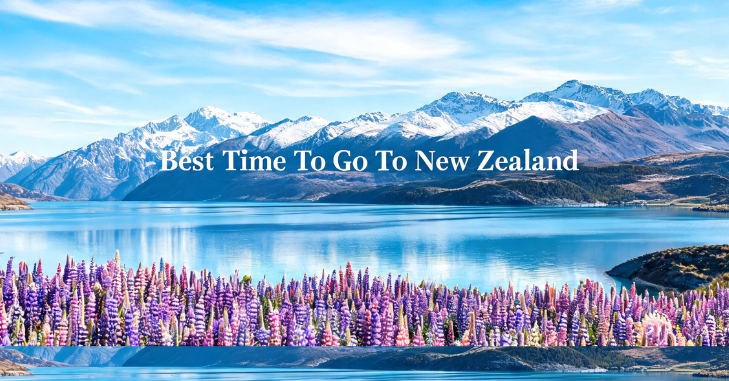
This season is particularly appealing to nature lovers, as iconic locations like Lake Tekapo are covered in colorful lupin flowers, creating breathtaking scenery.
Ideal for Outdoor Activities and Wildlife
Spring is also a great time for wildlife experiences, scenic drives, and outdoor exploration, as the environment is lively and refreshing, free of the heavy crowds of peak season.
Moderate Prices and Fewer Crowds
Spring offers moderate prices for flights and accommodation, making it an excellent choice for travelers seeking both value and experience.
Why Spring Is the Best Overall Choice
With fewer tourists, beautiful landscapes, and pleasant weather, spring is one of the best times to visit New Zealand for a well-rounded, enjoyable trip.
Best Time for Budget Travel
- For travelers looking to save money, the best time to visit New Zealand is during the shoulder seasons—autumn (March to May) and spring (September to November).
- During these months, airlines and hotels often offer discounts, making travel more affordable.
- Tourist attractions are less crowded, allowing for a more relaxed and enjoyable experience.
- Travelers can enjoy comfortable weather while spending significantly less compared to the peak summer season.
- Budget travelers can benefit from lower car rental rates during this period.
- There are also better deals available on tours and travel packages.
- Accommodation options are more widely available, giving travelers more choices at lower prices.
- Planning can help secure even better deals and discounts.
- Traveling on weekdays rather than weekends can further reduce overall costs.
Best Time for Adventure & Beaches

If your goal is to experience thrilling outdoor adventures and relaxing beach holidays, summer (December to February) is the ideal time. The warm weather allows for water-based activities such as surfing, kayaking, and snorkeling, while also making hiking and adventure sports more enjoyable.
Destinations like Queenstown, Rotorua, and the Bay of Islands offer a wide range of adrenaline-pumping activities. Long daylight hours provide more time to explore and make the most of your trip.
Best Time for Snow & Skiing
Winter (June to August) is the perfect time for snow enthusiasts. Ski resorts in the South Island offer world-class facilities, attracting tourists from all over the world. Whether you are a beginner or an experienced skier, there are slopes suitable for all skill levels.
Apart from skiing, visitors can enjoy snowboarding, ice skating, and scenic alpine experiences. The snowy landscapes also provide excellent opportunities for photography and relaxation.
Travel Tips for Choosing the Right Time

- When deciding the best time to visit New Zealand, you should consider your priorities, budget, and preferred activities.
- Booking flights in advance, especially during peak seasons, can help reduce travel costs.
- Packing according to the season is essential because weather conditions can change quickly.
- This is particularly important in mountainous regions where the climate can be unpredictable.
- It is also important to plan your itinerary carefully due to long travel distances between destinations.
- Proper planning helps you make the most of your time during the trip.
- Renting a car can provide flexibility and convenience for exploring different locations.
- Using domestic flights is another option that can help save time when traveling long distances within the country.
Final Thoughts
New Zealand is a year-round destination, and each season offers something unique. Summer is perfect for adventure and beaches; autumn offers stunning scenery and budget-friendly options; winter is ideal for snow and skiing; and spring offers the best overall balance of beauty and affordability.
By understanding what each season has to offer, you can choose the perfect time to visit and create unforgettable memories in this extraordinary country. Each season also highlights a different side of New Zealand’s natural beauty, from golden coastlines to snow-covered mountains.
Travelers can enjoy outdoor activities such as hiking, sailing, skiing, and wildlife exploration depending on the time of year. No matter when you visit, the country’s breathtaking landscapes and welcoming atmosphere ensure a memorable experience. Careful planning according to seasonal weather can help you make the most of your trip and enjoy everything New Zealand has to offer.
Apart from that, if you want to know more about Best Airlines to Fly: 12 Top Choices for Comfortable, Safe, and Stress-Free International and Domestic Travel then visit our Travel category.
FAQs
The shoulder seasons (Mar–May and Sept–Nov) offer good value, and discounts on accommodation apply. The low season (June–Oct) is the cheapest time to travel; however, prices remain high in resort towns with ski fields.
The main reason for this low population is New Zealand’s geography. New Zealand has two main islands: the North Island and the South Island. Much of these islands are covered in rugged mountains, dense forests, volcanoes, and inaccessible terrain, making large areas inhospitable for human life.
35 New Zealand Tour Packages Start 𝐚𝐭 ₹111158 𝘽𝙤𝙤𝙠 𝙉𝙤𝙬!