

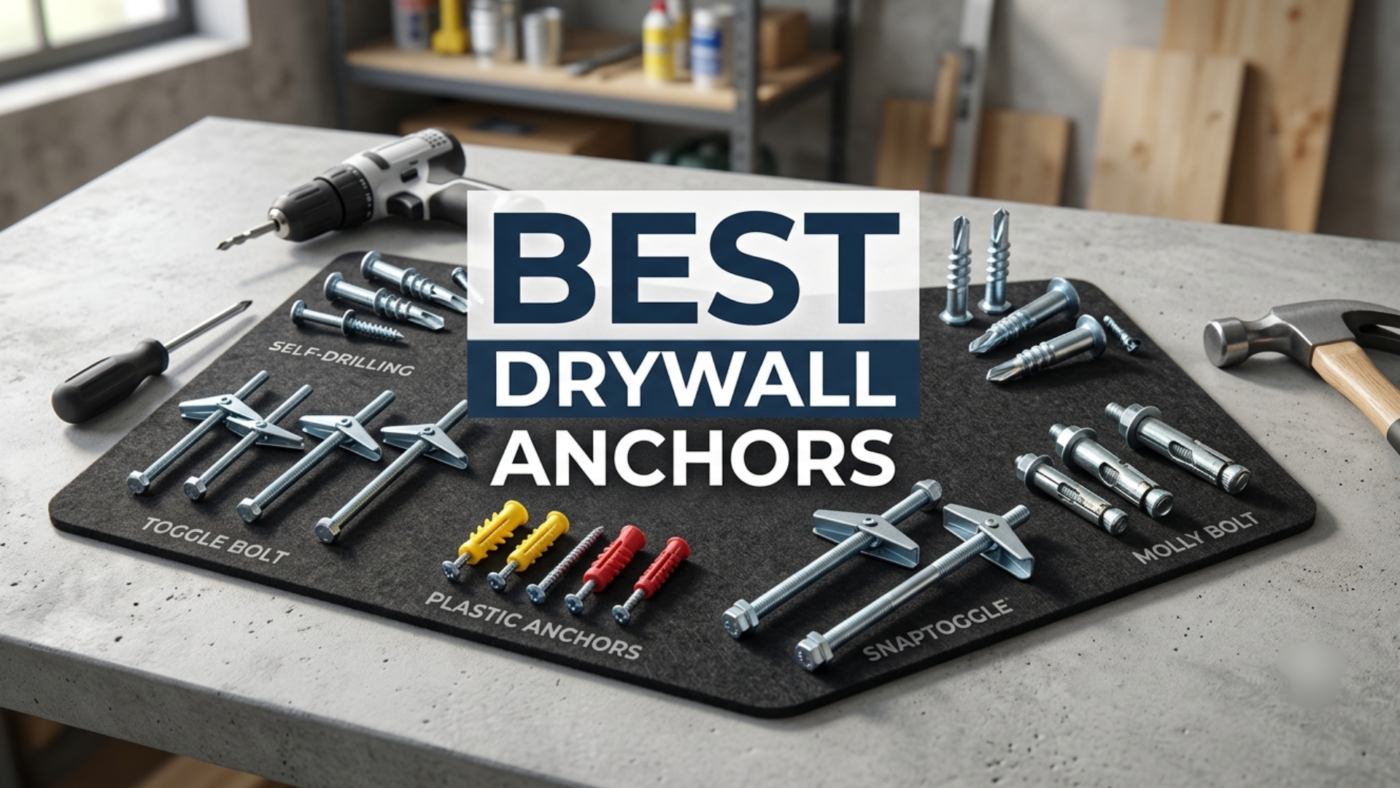
Choosing the best drywall anchors is essential for creating safe, secure, and long-lasting wall installations. Whether you’re hanging floating shelves, mirrors, artwork, curtain rods, or a television, the right anchor provides the support needed to prevent damage and ensure stability. Since drywall alone is not designed to hold heavy loads, anchors distribute weight more evenly and reduce the risk of screws pulling out over time.
This guide explains how drywall anchors work, the different types available, how to choose the right one for your project, and practical installation tips that help you achieve professional-quality results. Whether you’re a first-time DIY enthusiast or an experienced homeowner, understanding the basics can save time, money, and unnecessary repairs.
| Drywall Anchor Type | Best For | Weight Capacity | Installation Difficulty | Key Benefits | Potential Drawbacks |
| Plastic Expansion Anchor | Picture frames, light décor, clocks | Light (up to 20 lbs) | Easy | Affordable, simple to install, widely available | Not suitable for heavy loads |
| Self-Drilling Threaded Anchor | Shelves, curtain rods, medium-weight fixtures | Medium (20–50 lbs) | Easy | No pilot hole required, strong grip, quick installation | Can damage drywall if overtightened |
| Toggle Bolt | TVs, floating shelves, large mirrors | Heavy (50–100+ lbs) | Moderate | Excellent holding power, distributes weight evenly | Installation requires more space behind the wall |
| Strap Toggle Anchor | Heavy wall-mounted cabinets, large shelving units | Heavy Duty (75–265 lbs)* | Easy to Moderate | Very high strength, easy installation compared to toggle bolts | Higher cost than standard anchors |
| Winged Plastic Anchor | Lightweight shelves, wall organizers | Light to Medium (15–40 lbs) | Easy | Better grip than standard plastic anchors | Limited weight capacity |
Why Best Drywall Anchors Are Important
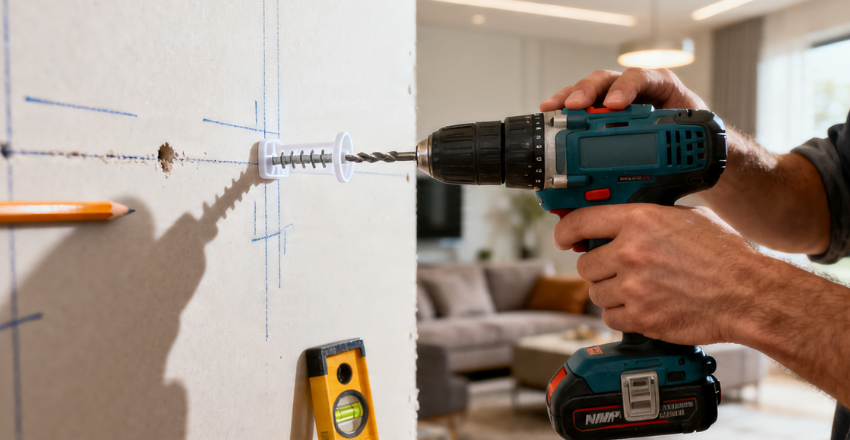
Drywall is lightweight and easy to install, but it lacks the strength needed to hold screws securely on its own. Installing fixtures without proper anchors often leads to loose hardware, cracked walls, or items falling unexpectedly.
Quality drywall anchors offer several important benefits:
- Improve weight distribution across the wall
- Reduce the risk of drywall damage
- Increase mounting strength and stability
- Support both light and heavy fixtures
- Create safer, longer-lasting installations
Using the correct anchor also improves the appearance of your finished project by keeping mounted items level and securely attached.
Understanding the Different Types of Drywall Anchors

Not every anchor is designed for the same purpose. Selecting the correct type depends on the object’s weight and the wall’s condition.
Plastic Expansion Anchors
Plastic expansion anchors are among the most common options for lightweight installations. As the screw tightens, the anchor expands inside the drywall, creating additional grip.
These are ideal for:
- Picture frames
- Small wall decorations
- Lightweight shelving
- Clocks
Self-Drilling Threaded Anchors
Threaded anchors feature aggressive threads that screw directly into drywall, often without requiring a pilot hole.
Advantages include:
- Quick installation
- Stronger holding power than plastic anchors
- Good choice for medium-weight fixtures
Toggle Bolts
Toggle bolts use spring-loaded metal wings that open behind the drywall, distributing weight over a much larger surface area.
They are commonly used for:
- Televisions
- Heavy mirrors
- Floating shelves
- Large cabinets
Molly Bolts
Molly bolts expand behind the drywall as they are tightened, creating a permanent metal sleeve that provides excellent holding strength. These anchors work well for fixtures that may need occasional removal without losing support.
Comparison of Common Drywall Anchor Types

| Anchor Type | Weight Capacity | Installation Difficulty | Best Applications | Durability |
| Plastic Expansion Anchor | Light | Easy | Pictures, clocks, small décor | Moderate |
| Self-Drilling Anchor | Medium | Easy | Shelves, curtain rods | High |
| Molly Bolt | Medium to Heavy | Moderate | Cabinets, towel bars | Very High |
| Toggle Bolt | Heavy | Moderate | TVs, mirrors, heavy shelving | Excellent |
| Strap Toggle Anchor | Heavy Duty | Easy | Large wall-mounted fixtures | Excellent |
How to Choose the Right Anchor

Selecting the right fastener involves more than simply picking the strongest option available.
Consider the Weight
Always determine the object’s total weight before purchasing anchors. Include any additional items that may be placed on shelves after installation.
Evaluate the Wall Material
Although drywall anchors are designed for drywall, wall thicknesses vary. Older homes may have thicker drywall, while newer construction often uses thinner panels.
Check the Load Rating
Manufacturers provide recommended weight capacities for each anchor. Never exceed the maximum rating.
Indoor or Outdoor Use
If installing in humid environments such as bathrooms or laundry rooms, choose corrosion-resistant metal anchors for longer service life.
Common Applications Around the Home
The best drywall anchors can be used in nearly every room.
Popular uses include:
- Mounting televisions
- Hanging decorative mirrors
- Installing floating shelves
- Supporting curtain rods
- Securing bathroom accessories
- Mounting coat racks
- Hanging artwork
- Installing wall organizers
Using the appropriate anchor for each application improves safety while protecting your walls from unnecessary damage.
Step-by-Step Installation Tips
Proper installation is just as important as selecting the right anchor.
Step 1: Mark the Mounting Location
Measure carefully and use a level to ensure accurate placement.
Step 2: Select the Correct Drill Bit
Some anchors require pilot holes while self-drilling models do not.
Step 3: Install the Anchor
Insert or screw the anchor into the drywall until it sits flush with the wall surface.
Step 4: Tighten the Screw
Drive the screw slowly without overtightening, which may weaken the anchor’s grip.
Step 5: Test Stability
Apply gentle pressure before hanging the final object to confirm the installation is secure.
Common Mistakes to Avoid
Even experienced DIY homeowners occasionally make installation errors.
Avoid these common mistakes:
- Using undersized anchors for heavy objects
- Ignoring manufacturer weight ratings
- Overtightening screws
- Installing into damaged drywall
- Skipping measurements before drilling
- Reusing worn or damaged anchors
Preventing these mistakes greatly increases the lifespan of your installation.
Maintenance and Long-Term Performance

Properly installed drywall anchors require very little maintenance, but it is still a good idea to inspect mounted fixtures every few months, especially if they support heavy items. Check for loose screws, small cracks in the drywall, movement around the anchor, or signs of moisture damage that could weaken the installation.
Addressing these issues early and replacing worn or damaged anchors when necessary can help prevent larger repairs, improve safety, and ensure your mounted fixtures remain secure for years to come.
Expert Tips for Better Results
For the strongest installation, always match the anchor type to the object’s weight rather than choosing solely for convenience. When possible, mount directly into wall studs for maximum support. If a stud is unavailable, use heavy-duty toggle or metal anchors for larger fixtures. Investing in quality hardware often costs only slightly more but provides significantly better durability and peace of mind.
Conclusion
Selecting the best drywall anchors is one of the most important steps in achieving safe, secure, and professional wall installations. Understanding the different anchor types, weight capacities, and installation methods allows you to choose the right fastener for every project.
By following proper installation techniques and selecting quality hardware, you can confidently mount shelves, mirrors, artwork, and other fixtures while protecting your walls and ensuring long-lasting performance.
Want to know about 11 Best Garage Refrigerator Models for Extra Storage, Budget-Friendly Performance, and Year-Round Temperature Stability: A Buying Guide for Energy Efficiency, Durability, and Extreme Weather Conditions Check out our Home Improvement category.
Frequently Asked Questions
Drywall anchors provide extra support for screws installed in drywall, allowing walls to safely hold decorative items, shelves, mirrors, and other mounted fixtures.
Weight capacity varies by anchor type. Plastic anchors typically support lighter loads, while toggle bolts and heavy-duty metal anchors can hold significantly more when properly installed.
Most plastic anchors are designed for one-time use. Metal anchors may sometimes be reused if they remain undamaged, although replacement is generally recommended.
Heavy-duty toggle bolts or strap toggle anchors are commonly recommended when mounting televisions directly to drywall, although attaching the mount to wall studs is always the preferred option.

